

A garden should be your after-work oasis. A living, breathing space you can tend to unwind from a busy day and escape the stress of obligations and bloated schedules. The problem is that when you take the time to carefully label everything with permanent markers, it can fade in the sun or rain, leaving a lot of confusion about where you put herb seeds and where to build the trellis for tomatoes.
Good garden markers are important. They tell you what blend of ingredients you have growing on different schedules so you can harvest, save seeds, rotate, and organize your backyard garden. Instead of smeared marker ink that fades when it gets too hot, you can use a laser engraver for metal, wood, or stone markers that go well beyond surface-level ink.
These garden markers can be reused over time, ensuring you always have a useful garden toolkit ready to go when the sun starts shining for the growing season.
The Fatal Flaw of the Permanent Marker in the Garden
Permanent markers and paper labels are often used as garden markers. It’s likely because they are so easy to purchase at a local grocery store, and what you see most often at plant sales and nurseries. However, they are also the least durable option for outdoor gardening.
Fading in the Wind & Rain
A well-balanced garden, even one with a fence to keep deer out, is still open to wind and rain. What first looks permanent on paper and cardboard quickly turns into mush after a strong storm. UV light from overexposure to the sun is just as bad. It fades the markings so you cannot tell your plum tomatoes from your beefsteaks.
Smudged & Blurry Ink Marks
Another issue is the continual physical contact of your garden markers. When you have an active, growing space, there are watering hoses, garden gloves, soil being moved, multiple applications, pets, and curious children rubbing up against everything. Every time that little interaction smudges the permanent marker, it leaves a blurry mess where your Thai Basil label should be.
Patterns Last Only a Few Weeks
Another thing some gardeners overlook with permanent marker garden labels is decoration. Part of the fun of owning a garden is making colorful signs or adding artistic borders and decorative lettering that permanent markers cannot achieve.
Even if you’re an amazing artist, those details tend to fade with only a few weeks of exposure to the elements. That’s not the case with a laser engraver for wood labels that will last all season.
Why the Mecpow M1 Is Ideal for Garden Decoration
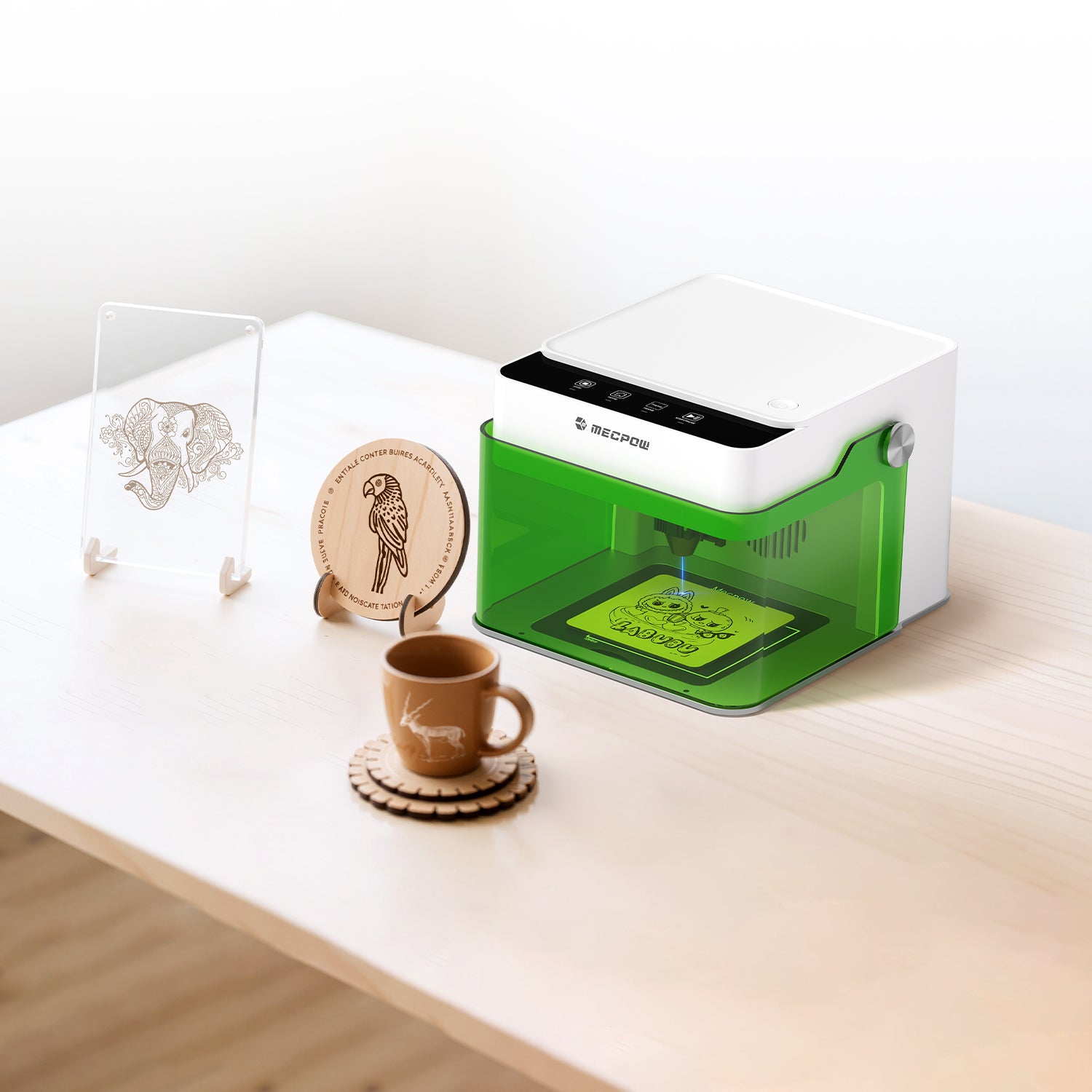
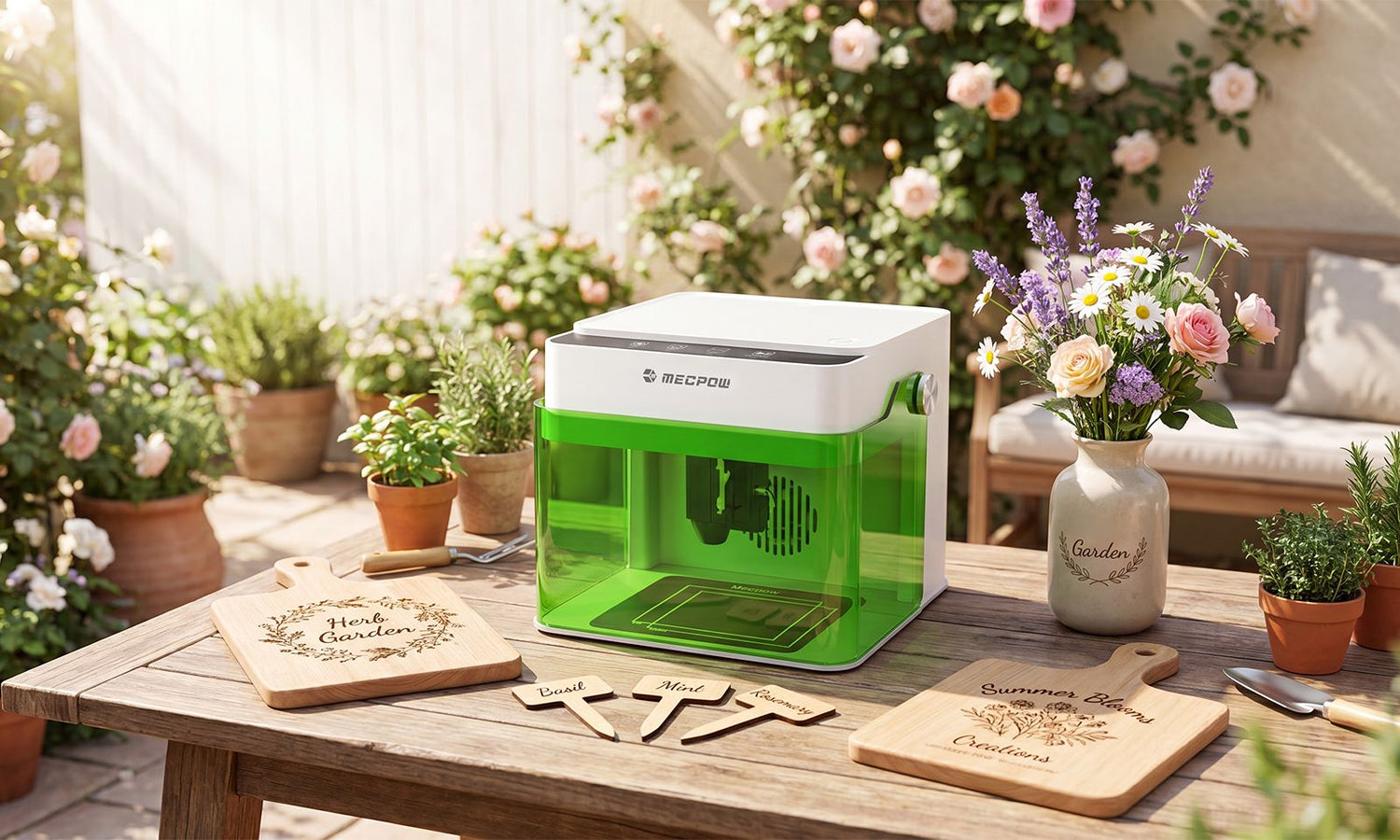
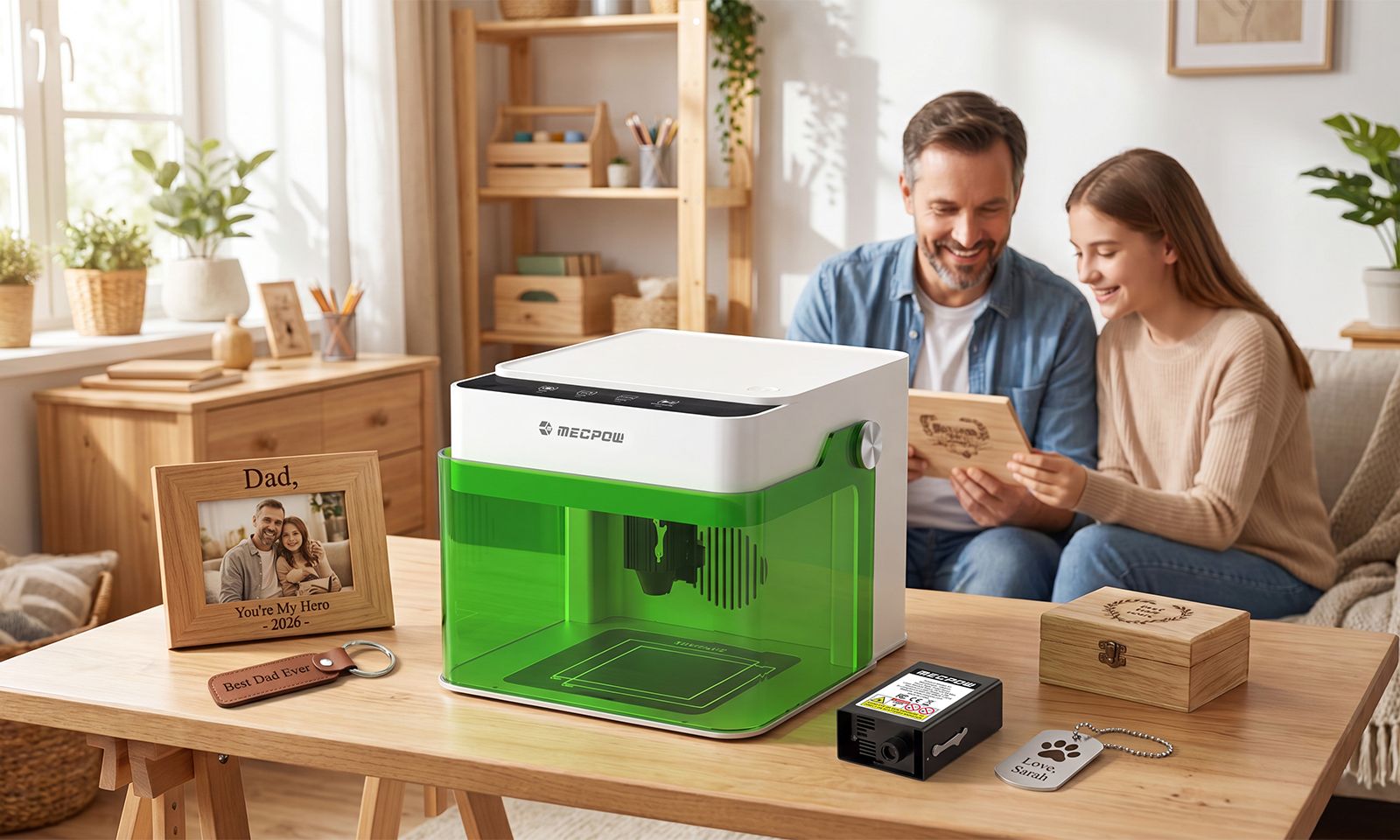
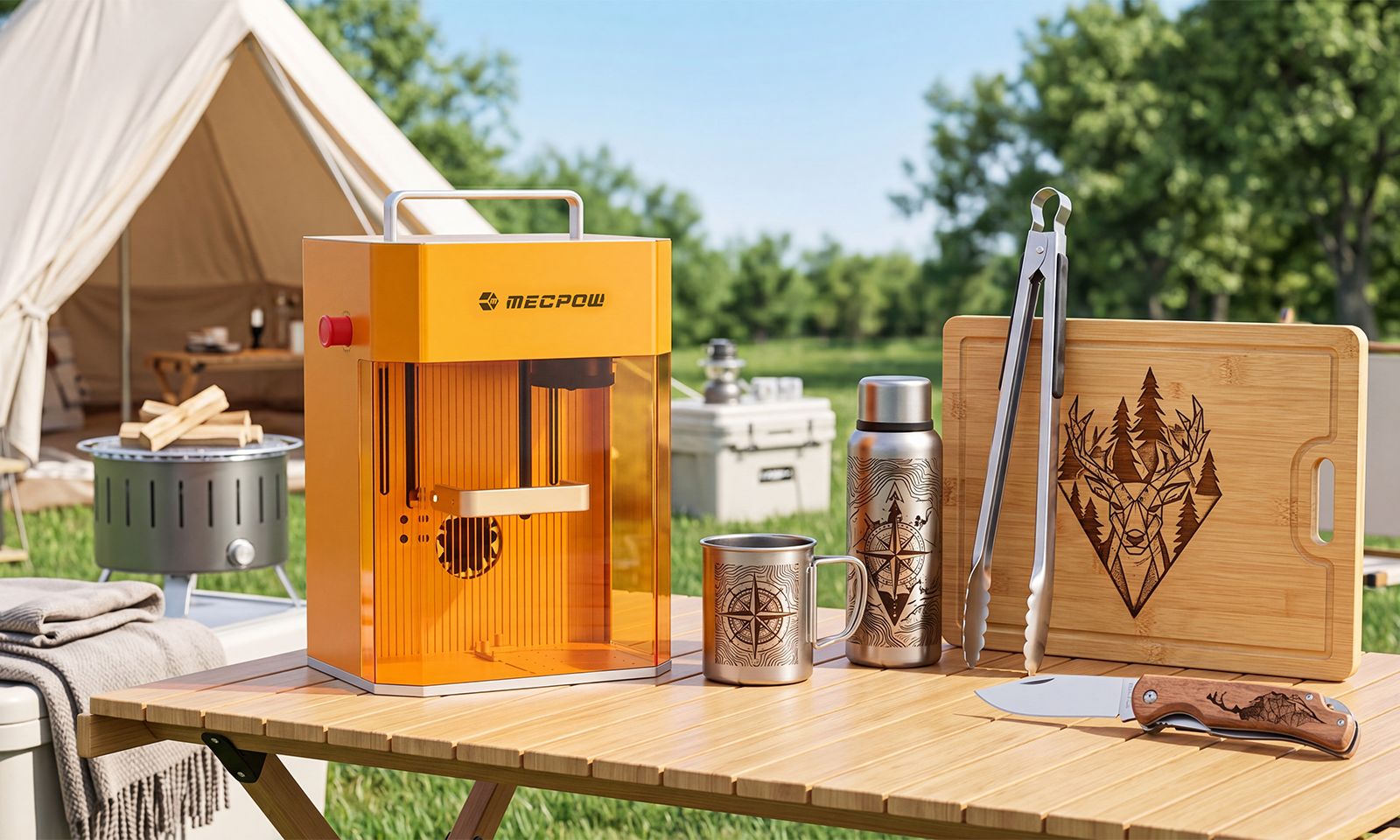
If you’re looking at your backyard and dreaming of all the amazing garlic, peppers, herbs, and flowers you want to grow, you need the Mecpow M1 laser engraving machine. Designed with beginner-friendly features, this easy-to-use laser engraver details pictures, quotes, coordinates, and all your favorite plant names on over 300 different materials.
The M1 is available in both a 3.5W and 5W option, ensuring you can frost acrylic glasses for making fresh veggie spritzers or add detailed images of cucumbers and summer squash lined up with metal garden markers.
In addition, the Mecpow M1 is designed to be a safe, highly mobile device. It has a 100 x 100 mm engraving plate, but is compact enough to move to your living room, backyard porch, home office, or kitchen. The only thing you’ll need to do is ensure you have decent ventilation in the area. Mecpow has already considered eye protection with the built-in enclosure on the device.
As an FDA Class 1 certified device, the M1 makes it easier than ever to plot out your garden with metal, wood, or stone garden markers long before the last frost is over and you’re ready to get planting.

Choose the Right Materials & Make Garden Markers with the M1
Once you have the Mecpow laser engraver in your home, the only question left will be what type of materials you’ll use for your pollinator garden or family vegetable patch.
Rustic Wood vs. Sleek Metal?
Most gardeners stick to either a laser engraver for wood or one for metal. That is because both metal and wood markers are relatively easy to come by. You can take an old piece of lumber hanging around the barn and cut it down into marker sizes. The same is true for leftover aluminum or stainless steel from old tools.
Wood like cedar, pine, birch plywood, and bamboo tend to be more popular as natural complements for outdoor spaces. Wood looks great when paired with flower beds, herb gardens, and cottage-style landscapes. It’s also good material to start your laser engraving journey on, as it’s cheap, allowing you to make mistakes before deciding on a specific marker design.
A laser engraver for metal is a little different. This is sleeker and more modern, offering a polished appearance for minimalist landscapes, rock gardens, long-term installations, and many of the succulent spaces featured in the Southwest. It withstands weathering much better, so if your goal is to get garden markers that won’t fade no matter what, using metal is a decent choice.

Natural Stone vs. Acrylic Stakes?
Two other options for your Mecpow laser engraver are stone and acrylic. Stone is popular in landscape designs that are durable year-round, such as perennial gardens, botanical collections, greenhouse spaces, and decorative pathways.
You can engrave designs that will remain visible for years, making them a great way to direct traffic along a path or to create a family crest on a “hidden rock” you use as a placeholder for an extra key to the house.
Acrylic is more unique. It offers a lot of engraving detail, a consistent appearance, and easy cleaning. This is much more modern if you want a planting system that can be color-coded. You’ll often find wood, stone, and metal mixed in with acrylic for seasonal displays or different planting periods.
Get Started on Your Garden Markers Upgrade
If you want full flexibility with your garden markers this year, go with the Mecpow M1 device. It provides you with more than enough versatility so you don’t have to remake your labels every season. None of those disposable plastic tags that fade too quickly, but it is a reliable solution for creating raised bed signs, decorative plaques, harvest markers, and pollinator displays.
A laser engraver helps you upgrade a garden. It is the first step in ensuring you don’t cross-plant conflicting species or forget where you just put a row of seedlings. Considering how many delicious meals you want to get from your garden, quality garden markers that hold up to laser engraving are the way to go.
FAQs
Can a laser engraver create garden markers that last longer than permanent marker labels?
Yes. When you use a laser engraving machine like the M1, you can decorate and personalize wood, metal, acrylic, and stone garden markers that won’t fade under sunlight, smudge from activity, or break down from wind and rain.
What is the best material for outdoor garden markers?
If you’re completely new to garden markers and using a laser engraver, go with either cedar or bamboo. These are rustic and fit into most garden scenarios, while also being soft and easy to work with when you’re just learning engraving.
What information should I include on a garden marker?
Always include the plant name and variety, but it may help to leave space for planting dates, harvest timelines, growing zones, and watering requirements. Many gardeners like to engrave some illustrations as well for fun.

Leave a comment
This site is protected by hCaptcha and the hCaptcha Privacy Policy and Terms of Service apply.